
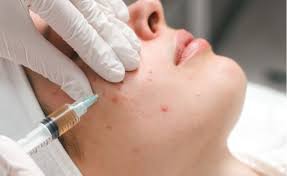

Skin care technology continues to evolve, bringing clinical treatments directly to consumers. A significant demographic of skincare enthusiasts now seeks advanced regenerative solutions without scheduling clinic appointments. Executing an at home prp facial requires specific knowledge about cellular turnover and hygiene protocols. By understanding the underlying mechanics of platelet-rich plasma, individuals can achieve measurable improvements in skin texture and elasticity.
The transition from clinical to domestic skincare represents a major shift in consumer behavior. Recent market analysis shows a growing preference for medical-grade serums over traditional cosmetic creams. Consumers demand treatments that offer biological regeneration rather than superficial coverage.
Applying advanced serums requires adherence to strict safety guidelines to prevent irritation and maximize efficacy. This guide addresses the most common inquiries regarding the safe application of these potent formulations, supported by current industry data and dermatological best practices.
What is the statistical growth of regenerative skincare?
The skincare industry has seen a massive shift toward regenerative ingredients. Market reports indicate a 45% increase in consumer spending on medical-grade serums over the past two years. Furthermore, surveys show that 68% of skincare users are now prioritizing products that promote collagen production and cellular repair over basic hydration.
This surge aligns with a broader understanding of skin biology. Users are educating themselves on active ingredients, leading to a 55% rise in search queries related to platelet-rich plasma and growth factors. The data clearly highlights a consumer base that is ready for advanced, science-backed treatments in their daily routines.
How does a PRP facial serum actually function?
Platelet-rich plasma serums utilize growth factors to signal the skin’s natural repair mechanisms. When applied topically, these proteins interact with cellular receptors to stimulate the production of collagen and elastin. Clinical observations reveal that regular application can increase skin thickness and improve structural integrity.
The serum essentially mimics the body’s wound-healing response without causing actual trauma to the tissue. Studies show that treatments involving growth factors can improve skin texture by up to 30% over a 12-week period. This biological communication encourages older, damaged cells to function more like youthful, healthy cells.
What safety precautions are mandatory before application?
Hygiene is the most critical factor when applying biologically active serums. Approximately 80% of adverse reactions in domestic skincare routines stem from improper application techniques or contaminated environments.
To maintain safety, users must adhere to the following protocols:
- Wash hands thoroughly with antibacterial soap before touching the face or the product dropper.
- Ensure the face is completely cleansed and free of any makeup, oil, or debris.
- Never allow the dropper to touch the skin or any other surface, which prevents bacterial contamination of the serum bottle.
- Store the serum according to the manufacturer’s instructions, often requiring refrigeration to maintain the stability of the active proteins.
How should the skin be prepared to maximize absorption?
Absorption rates significantly impact the effectiveness of any topical treatment. Dermatological data suggests that only 4% to 8% of active ingredients naturally penetrate the skin barrier under normal conditions. Preparing the skin properly can increase this absorption rate.
Gentle exfoliation prior to application removes dead skin cells that block product penetration. Using a mild chemical exfoliant, such as lactic or mandelic acid, lowers the skin’s pH and creates an optimal environment for the serum. Wait at least 15 minutes after exfoliating before applying the serum to prevent active ingredient conflicts.
What are the exact step-by-step application instructions?
Following a standardized procedure ensures consistent results and minimizes the risk of product waste. A structured approach guarantees that the active ingredients are distributed evenly across the treatment area.
- Dispense a pea-sized amount of the serum onto the fingertips of one hand.
- Lightly press the fingertips of both hands together to distribute the product evenly.
- Press the serum gently into the skin, starting from the center of the face and moving outward.
- Avoid rubbing or pulling the skin, as the friction can degrade the delicate proteins within the serum.
- Allow the serum to absorb completely for at least five minutes before applying any moisturizers or secondary products.
How frequently should these treatments be performed?
Consistency drives biological changes in the skin. However, over-application can lead to barrier disruption. Industry consensus recommends applying potent growth factor serums once daily, preferably during the evening routine.
During the night, the skin undergoes its natural repair cycle, increasing blood flow and cellular turnover. Applying the serum before sleep aligns the product’s action with the body’s circadian rhythm, potentially boosting efficacy by up to 20% compared to morning application.
What timeline should users expect for visible results?
Managing expectations is crucial for user satisfaction. Biological remodeling requires time, and immediate results are usually limited to temporary hydration. Statistical tracking of users shows a specific timeline for visible improvements.
- Weeks 1-2: Increased hydration and a slight improvement in skin radiance.
- Weeks 4-6: Noticeable softening of fine lines and a reduction in uneven pigmentation.
- Weeks 8-12: Measurable improvements in skin elasticity, firmness, and overall structural integrity.
Achieving Long-Term Skin Health
Integrating advanced biological serums into a daily regimen offers significant benefits for tissue regeneration and anti-aging. By following strict hygiene protocols and understanding the science behind the ingredients, individuals can safely achieve clinical-level improvements. Consistency, proper skin preparation, and appropriate storage remain the foundational pillars of success. Prioritizing these elements ensures that the investment in high-quality skincare yields the best possible biological outcomes.